
Keynote Lecture by Jens-Christian Svenning
|
Jens-Christian Svenning, professor, PhD
|
Profile: |
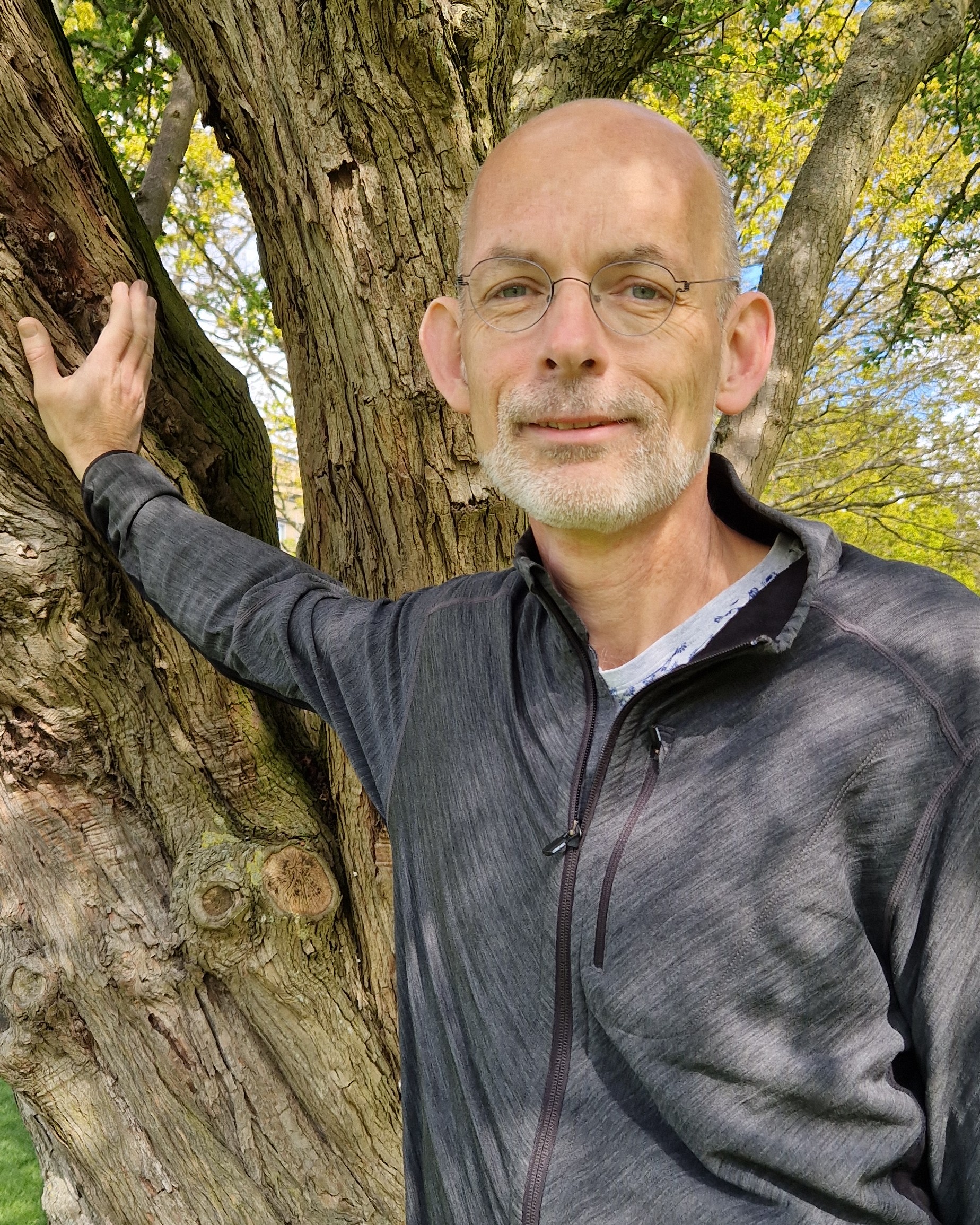
Title: Paleo-and Macroecological Perspectives on Biodiversity Dynamics and Recovery in the Anthropocene
Abstract:
The Anthropocene is marked by profound biodiversity change, yet understanding its consequences and charting pathways to recovery requires perspectives that extend far beyond the recent past. Drawing on paleo- and macroecology, this talk explores how deep-time baselines and large-scale ecological patterns reframe our understanding of current biodiversity dynamics — including the long human legacy reaching back to Pleistocene megafauna extinctions and the lessons that past climate change offers for anticipating ongoing and future climate-driven transformations. A further key theme is community saturation and large-scale biodiversity dynamics in the context of biotic globalization, where the global spread of alien species raises fundamental questions about ecological resistance, novel species interactions, and the meaning of nativeness in a rapidly changing biosphere. Together, these perspectives reveal that today's ecosystems are deeply novel yet carry the imprint of millions of years of evolutionary and ecological history — a duality with profound implications for conservation and restoration. I will argue that paleo- and macroecological insights are essential for setting meaningful targets, guiding transformative action, and steering biodiversity dynamics toward more positive outcomes in the Anthropocene.